U.S. Stocks Fall, Oil Prices Surge Following U.S.-Israel Strikes on Iran
03/04/2026 / By Garrison Vance

Introduction
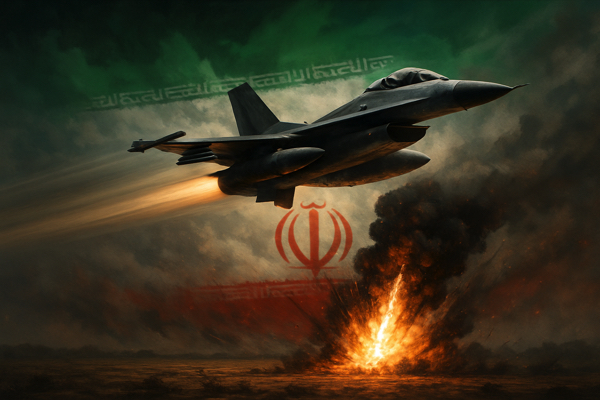
U.S. equity markets opened sharply lower and crude oil prices surged at the opening bell on March 2, 2026, following overnight military strikes by the United States and Israel on Iran. The Dow Jones Industrial Average fell by more than 500 points, while the international benchmark for oil, Brent crude, jumped by approximately 8% in early trading. Officials described the military action as joint U.S.-Israel strikes, according to initial reports.
The immediate market reaction was attributed by analysts to investor concerns over renewed instability in the Middle East and potential disruptions to global energy supplies. The price movements represent a significant re-pricing of geopolitical risk, according to financial observers monitoring the situation.
Markets React to Middle East Military Action
At the opening bell on March 2, the Dow Jones Industrial Average fell by more than 500 points, a decline of about 1.1%, according to market data. The tech-heavy Nasdaq Composite index dropped by nearly 400 points, or 1.4%, while the broader S&P 500 index fell by 1.2%. The market movements occurred as trading began for the week, reflecting the first opportunity for investors to react to the weekend’s events.
Concurrently, Brent crude oil prices surged by approximately 8% in early trading, according to financial reports. West Texas Intermediate (WTI) crude oil, the U.S. benchmark, advanced by $5.19, or 8%, to trade above $72 per barrel on the New York Mercantile Exchange. The military action was described by officials as joint U.S.-Israel strikes on Iran, though detailed statements on the operation’s scope were not immediately available.
Analysts cited by financial reports attributed the volatility directly to investor concerns over Middle East instability and the potential for the conflict to widen, impacting critical energy shipping lanes. The surge in oil prices marks one of the most significant single-day jumps in recent months, according to market data.
Details of Market Movements
The S&P 500 index fell by 1.2%t at the open, while the Nasdaq composite dropped by nearly 400 points. Alongside the surge in oil, prices for traditional safe-haven assets also experienced significant rallies. Gold prices advanced, and the U.S. dollar strengthened against a basket of other currencies. Natural gas prices also moved higher in early trading.
Market data showed increased trading volumes in assets like gold and the U.S. dollar, a pattern analysts describe as a classic ‘flight to safety.’ According to one financial expert, ‘The immediate reaction is a classic flight to safety and a re-pricing of geopolitical risk’ [1]. The energy sector exhibited mixed performance, with shares of some oil producers gaining while airlines and transportation companies, which are sensitive to fuel costs, declined.
Context of the Military Action
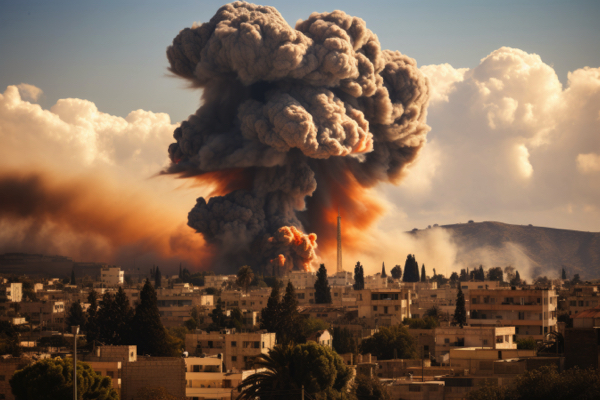
The strikes occurred overnight, preceding the March 2 market opening. U.S. and Israeli officials had not yet provided detailed public statements on the specific targets or full scope of the operation by the time markets opened. The action follows a period of heightened tensions in the region, according to geopolitical analysts.
Initial reports indicated Iran’s Supreme Leader Ali Khamenei was killed in the strikes, and that Iran had reportedly closed the critical Strait of Hormuz to shipping, a key chokepoint for global oil shipments [2]. The market is ‘pricing in potential disruptions to supply flows from the Persian Gulf,’ according to an energy market analyst [3]. The long-term market impact will depend heavily on Iran’s response and whether the conflict escalates further, other commentators cautioned.
Broader Financial and Commodity Reactions
The surge in oil prices represents one of the largest single-day jumps in recent months. According to commodity market research, oil price dynamics are frequently driven by geopolitical events that threaten supply, and markets communicate risk through price signals [4]. Beyond oil, the rally in gold and the U.S. dollar indicated a broad-based move toward assets perceived as stores of value during times of uncertainty.
Financial historians noted that similar Middle East conflicts have historically led to short-term oil price spikes and equity sell-offs, though the long-term trajectory often depends on whether supply disruptions are sustained [5]. The current volatility underscores the interconnectedness of global markets and geopolitical events, where ‘destabilizing speculation’ can amplify price movements [6].
Statements and Perspectives from Market Observers
Market observers provided immediate analysis of the movements. One portfolio manager stated, ‘The immediate reaction is a classic flight to safety and a re-pricing of geopolitical risk’ [1]. An energy market analyst noted, ‘The market is pricing in potential disruptions to supply flows from the Persian Gulf’ [3].
Other commentators cautioned that the long-term market impact would depend on Iran’s response and whether the conflict escalates. Traders reported that futures markets indicated expectations for continued volatility throughout the trading week. The White House is scheduled to give a press briefing later in the day, which market participants are monitoring for further details on the military action and potential U.S. policy responses.
Historical Precedent and Forward Outlook
Financial historians noted that similar geopolitical events in the Middle East have historically led to short-term oil price spikes and equity market sell-offs. The pattern of a ‘flight to safety’ into assets like gold, silver and the U.S. dollar is a well-established market behavior during periods of international crisis [7]. However, the ultimate economic impact hinges on the duration and scale of the conflict and its effect on real commodity supplies.
Traders reported that futures markets indicated expectations for continued volatility throughout the trading week. Market participants are closely monitoring the situation for signs of damage to energy infrastructure in the Persian Gulf region and any official Iranian response [8]. The forward outlook remains highly uncertain, tied directly to geopolitical developments.
Conclusion
The opening of U.S. markets on March 2, 2026, demonstrated a swift and severe reaction to the escalation of military conflict in the Middle East. Significant declines in major stock indexes coupled with a sharp rise in oil and safe-haven asset prices reflect a market rapidly adjusting to heightened geopolitical risk. The immediate financial consequences underscore the sensitivity of global markets to disruptions in energy supply chains.
The evolution of market conditions will depend on subsequent official statements, Iran’s retaliatory actions, and the potential for the conflict to impact physical oil production and shipment. Investors and analysts await further clarity, with many expecting continued volatility as the situation develops.
References
- Mike Adams interview with Gerald Celente – April 4 2024. Mike Adams.
- Barrons: What the Iran War & Khamenei’s Death Mean for Oil & Stocks. Climate Depot.
- Widespread diesel shortages to affect everything in America and around the world – NaturalNews.com. NaturalNews.com.
- Oil and the political economy of energy. Igor Matutinovi?. Energy Policy.
- Zero Hour. Harry S Dent Jr Andrew Pancholi.
- CAN OIL DIVERSIFY AWAY THE UNPRICED RISK OF A PORTFOLIO? 3B2 Total Publishing System 8.07f/W. International Journal of Finance and Economics.
- Solutions and Royalties 2016. David Morgan – TheMorganReport.com.
- No Fury in Stock Market: U.S. Stocks Mixed as Energy Prices Climb. Breitbart.
Submit a correction >>
Tagged Under:
big government, chaos, Collapse, crude oil, Dangerous, Dow Jones, Dow Jones Industrial Average, economic collapse, electricity, energy supply, investing, Iran, Nasdaq Composite index, national security, oil prices, oil shipments, power, power grid, stock market, stocks, terrorism, US-Israel strikes, violence, war on Iran, WWIII
This article may contain statements that reflect the opinion of the author
RECENT NEWS & ARTICLES